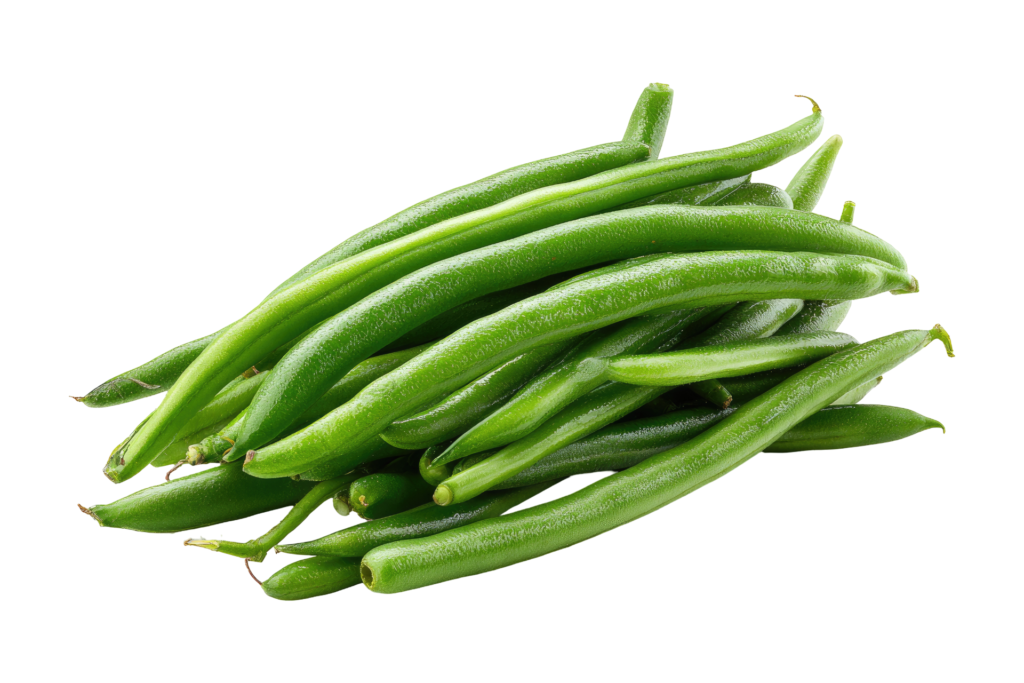
The answer to whether beans are Kosher for Passover depends entirely on your ancestral tradition and community custom.
• For Ashkenazi Jews: Historically, the answer has been No. Most beans and legumes are classified as kitniyot, a category of food that Ashkenazi Jews avoid eating during the holiday.
• For Sephardic Jews: The answer is generally Yes. Most Sephardic traditions permit the consumption of beans, provided they are thoroughly checked for any stray grains of wheat or barley.
• For Reform and Conservative Jews: In recent years, major rabbinical committees in these movements have ruled that Yes, beans and all kitniyot are permitted for all Jews to eat on Passover to encourage a more varied and healthy diet.
Regardless of your tradition, any processed or canned beans must bear a reliable “Kosher for Passover” certification to ensure they have not been processed on equipment used for grain or mixed with prohibited additives.
Title
Image
Price
$35.99
$38.99
$20.99
Available on Amazon
Title
Image
Price
$35.99
Available on Amazon
Title
Image
Price
$38.99
Available on Amazon
Title
Image
Price
$20.99
Available on Amazon
Explanation: Is it Chametz or Kitniyot?
To navigate the grocery aisles, one must understand the difference between these two vital categories.
Why Beans are Not Chametz
Chametz refers specifically to five grains: wheat, barley, rye, oats, and spelt. When these grains come into contact with water and are left to stand for more than 18 minutes, they begin to ferment and rise, becoming chametz. Biblical law strictly forbids Jews from eating, owning, or deriving benefit from chametz during Passover.
Beans are botanically distinct from these five grains. They are legumes and do not undergo the same leavening process. Therefore, beans can never technically become chametz. This is a critical distinction because it means that even those who do not eat beans on Passover are permitted to own them or keep them in their home during the holiday.
Title
Image
Price
$9.99
$8.15
$16.99
Available on Amazon
Title
Image
Price
$9.99
Available on Amazon
Title
Image
Price
$8.15
Available on Amazon
Title
Image
Price
$16.99
Available on Amazon
What is Kitniyot?
Kitniyot is a rabbinic category that translates roughly to “small things.” It includes legumes, beans, peas, rice, millet, corn, and certain seeds. While they aren’t chametz, they were prohibited for Ashkenazi Jews centuries ago for two primary reasons:
1. Appearance: Beans can be ground into flour, and bean-flour bread looks very similar to grain-based bread. The rabbis feared that if people were allowed to bake with bean flour, they might mistakenly think it was okay to bake with wheat flour.
2. Cross-Contamination: Grains and beans were often stored in the same types of sacks and grown in adjacent fields. There was a high risk that a stray kernel of wheat could end up in a bag of lentils.
Title
Image
Price
$38.22
$5.50
$35.99
Available on Amazon
Title
Image
Price
$38.22
Available on Amazon
Title
Image
Price
$5.50
Available on Amazon
Title
Image
Price
$35.99
Available on Amazon
Ashkenazi vs. Sephardic Differences
The divide between these two major Jewish ethnicities defines the modern Passover experience in many homes.
The Ashkenazi Custom
Ashkenazi Jews, originating from Eastern Europe, have maintained the custom of avoiding kitniyot since the Middle Ages. This includes green beans, soybeans, dried beans, chickpeas, and lentils. For a traditional Ashkenazi household, beans are treated with a level of caution similar to chametz during the holiday, even though the legal stakes are lower. Some modern Ashkenazim are beginning to adopt more lenient views based on recent rabbinic rulings, but the standard practice remains avoidance.
The Sephardic Tradition
Sephardic Jews, hailing from Spain, North Africa, and the Middle East, never accepted the prohibition of kitniyot. In these cultures, beans and rice are staples of the holiday. However, Sephardic law requires that dried beans be sifted and checked grain-by-grain—usually three times—to ensure no chametz grains were accidentally mixed in during harvest or transport.
Modern Movements
In 2015 and 2016, the Conservative and Reform movements issued formal responsa permitting the consumption of kitniyot for all Jews. These rulings aimed to make the holiday more accessible and to provide healthier, high-fiber protein options for those who find the traditional matzah-heavy diet difficult to digest.
Title
Image
Price
$14.99
$9.42
$6.19
Available on Amazon
Title
Image
Price
$14.99
Available on Amazon
Title
Image
Price
$9.42
Available on Amazon
Title
Image
Price
$6.19
Available on Amazon
Does it Require Passover Certification?
This is the most important practical step: You cannot buy regular canned or processed beans and assume they are Kosher for Passover.
The Risk of Additives
Many canned beans contain additives like sea salt, citric acid, or even corn syrup. These additives can be derived from grain sources or processed in a way that involves chametz. Furthermore, canned goods are often processed on the same machinery used for pasta or soups containing flour.
Certification Requirements
If you plan to eat beans on Passover, you should look for the “P” symbol next to the kosher logo (such as OU-P or STAR-K P).
• Canned Beans: Always require a “P” certification.
• Dried Beans: For those who eat kitniyot, raw dried beans in the bag are generally okay but must be sifted and checked for foreign grains.
• Frozen Beans: Frozen vegetables, including green beans or peas, often use anti-foaming agents in the wash water that contain chametz. They require specific Passover certification.
Title
Image
Price
$53.66
$16.79
Available on Amazon
Title
Image
Price
$53.66
Available on Amazon

Common Mistakes People Make
1. Trusting “Gluten-Free” Labels: A product can be gluten-free but still be chametz. For example, some products use vinegar or fermentation processes derived from grains that are prohibited.
2. Assuming Fresh is Always Fine: While most fresh vegetables are okay, fresh legumes like peas or green beans are still kitniyot for Ashkenazim.
3. Cross-Contamination at the Table: If you are an Ashkenazi guest at a Sephardic Seder, be aware that while your hosts eat beans, you may need to use separate or disposable utensils if you wish to strictly maintain your custom of avoiding kitniyot contact.
4. Misidentifying Quinoa: Many people mistake quinoa for a bean or a grain. Most major agencies now rule that quinoa is not kitniyot and is permitted for everyone, provided it has a Passover seal to ensure no grain-processing overlap.
5. Forgetting About Soy: Soybeans and soy derivatives (like soy lecithin and soybean oil) are in thousands of products. If you are avoiding kitniyot, you must check labels for these hidden bean products.
FAQ Section
1. Are green beans considered kitniyot?
Yes. Despite being “green” and appearing like a vegetable, green beans are legumes and are classified as kitniyot. They are avoided by Ashkenazi Jews but permitted for Sephardic Jews.
2. Can I eat bean sprouts on Passover?
Bean sprouts come from beans (usually mung beans or soybeans). Since the source is a legume, the sprouts are considered kitniyot and follow the same rules as the beans themselves.
3. What is the rule for feeding beans to my pets?
This is a point of relief for many! While you cannot own or feed chametz (like wheat or oats) to your pets, you are permitted to own and use kitniyot. Therefore, pet food containing beans, rice, or corn is perfectly acceptable to have in your home and feed to your animals during Passover.
4. Are chickpeas and hummus allowed?
Chickpeas (garbanzo beans) are kitniyot. Hummus made from chickpeas is a staple for Sephardic Jews on Passover but is avoided by Ashkenazim. Note that store-bought hummus often contains tahini (sesame), which is also kitniyot.
5. Why is bean flour a problem?
Even for those who eat beans, using bean flour can be tricky. Processing raw beans into flour involves industrial milling equipment that is almost certainly used for wheat or barley during the rest of the year. If using bean flour, it must be certified Kosher for Passover.
Our Passover Posts
The answer to whether tortillas are Kosher for Passover depends entirely on their ingredients and the...
Whether chickpeas are Kosher for Passover depends entirely on your community’s ancestral customs.•...
The clear and direct answer is Yes, potatoes are Kosher for Passover. They are permitted for all Jewish...
The short answer to whether lentils are Kosher for Passover is: It depends on your tradition and community...
The answer to whether beans are Kosher for Passover depends entirely on your ancestral tradition and...
The direct answer is that oats are generally not Kosher for Passover. Oats are classified as one of the...
The short answer is: Yes, most nuts are Kosher for Passover, but their status depends heavily on how...
For many families preparing for the eight-day holiday of Passover, or Pesach, the dietary restrictions...
When preparing for Passover, the kitchen becomes a focal point of careful scrutiny. Among the many questions...
No posts found