The Kosher Hub Home of all Things Jewish

tortillas

Are Tortillas Kosher for Passover?

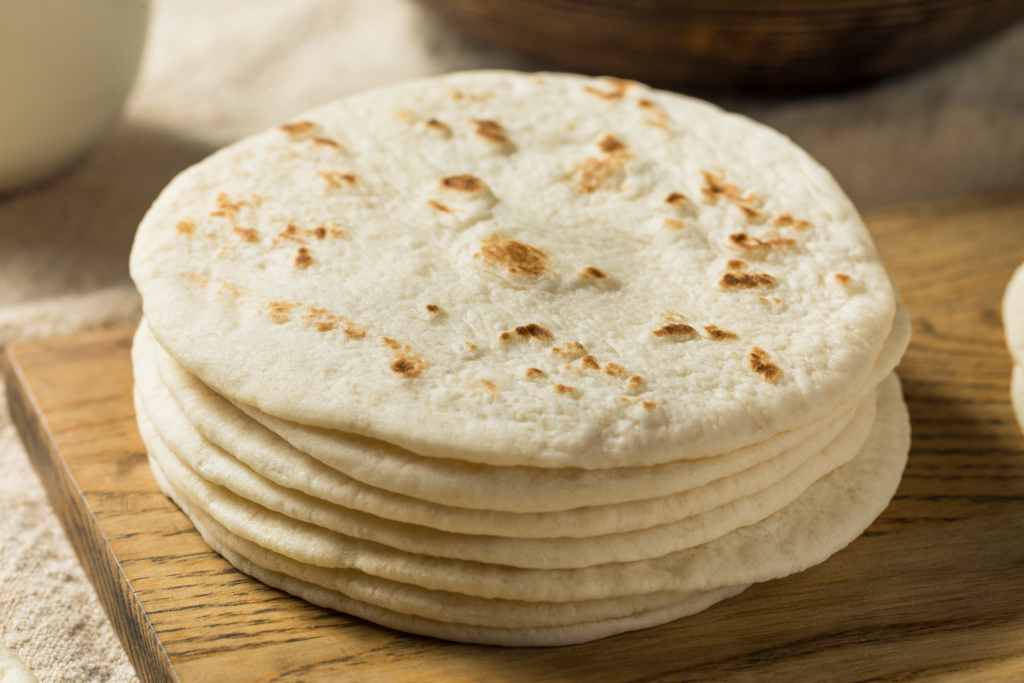
The answer to whether tortillas are Kosher for Passover depends entirely on their ingredients and the tradition you follow.
Wheat/Flour Tortillas: These are strictly forbidden (No) for all Jews during Passover. They are considered chametz because they are made from wheat and are not produced under the strict 18-minute supervision required for matzah.
Corn Tortillas: For Ashkenazi Jews, these are generally forbidden (No) because corn is classified as kitniyot. For Sephardic Jews, corn tortillas are theoretically permitted, but in practice, they are usually forbidden (No) unless they bear a specific Kosher for Passover certification. This is because standard grocery store corn tortillas are often processed on equipment shared with wheat or contain non-Passover additives.
Cassava Tortillas: These are generally permitted (Yes) for both Ashkenazi and Sephardic Jews, provided they bear a reliable Kosher for Passover certification symbol (such as an OU-P). Specialty brands have recently begun producing cassava-based tortillas specifically for the holiday.

Explanation of Whether it is Chametz or Kitniyot

To navigate the aisles during Passover, one must understand the two major categories of restricted foods: chametz and kitniyot.
Understanding Chametz
Chametz refers to any food or drink containing even a trace of edible fermented grain products. The Torah identifies five specific grains that can become chametz: wheat, barley, oats, spelt, and rye. When these grains come into contact with water and are allowed to sit for more than 18 minutes, they leaven or “puff up,” becoming chametz.
Wheat flour tortillas fall squarely into this category. Even though they may look flat, the dough is not prepared with the lightning-fast speed and rabbinic oversight required for matzah. Because they are not baked within that 18-minute window, they are considered leavened and are prohibited for consumption, ownership, or benefit during the holiday.
 

Understanding Kitniyot

Kitniyot is a category of food that includes “small things” such as legumes, beans, peas, rice, millet, and corn. While not biblically prohibited like chametz, Ashkenazi Jews traditionally avoid kitniyot.
There were two primary historical concerns regarding kitniyot:
1. Appearance: Kitniyot can be ground into flour and baked into items that look very similar to bread or grain-based products, which could cause confusion.
2. Cross-Contamination: Grains and kitniyot were often stored in close proximity or in the same types of sacks, leading to the fear that a stray kernel of wheat might be hidden within a bag of corn or rice.
Because corn is the primary ingredient in traditional tortillas, they are avoided by Ashkenazi Jews as kitniyot.

Ashkenazi vs. Sephardic Differences

The diversity of Jewish traditions is most apparent in the kitchen during Passover.
Ashkenazi Traditions
Ashkenazi Jews, who originate from Central and Eastern Europe, maintain a strict ban on kitniyot. Therefore, corn tortillas are off the menu entirely. For these families, the search for a tortilla alternative usually leads to “matzah crepes” (made from matzah meal and eggs) or specialty cassava-based products that have been ruled as non-kitniyot.
Sephardic Traditions
Sephardic Jews, from Spain, North Africa, and the Middle East, did not historically accept the ban on kitniyot. For them, rice, beans, and corn are acceptable. However, Sephardic Jews must still be extremely cautious with processed items like tortillas. Even if corn is permitted, the manufacturing process must be free of any chametz contamination. In most cases, this means only purchasing tortillas that have a reliable Passover hechsher (certification).
Modern Movements
It is worth noting that some modern Jewish movements, including Reform and Conservative rabbinical committees, have ruled that kitniyot should be permitted for all Jews to encourage a healthier and more varied holiday diet. However, many individuals still choose to follow their family’s ancestral customs.

Does it Require Passover Certification?

This is the most critical point for any consumer. Any processed food item, including tortillas, requires a reliable Kosher for Passover certification symbol (usually a “P” next to the kosher seal).
Why Regular Certification Isn’t Enough
A product that is kosher all year round is not necessarily Kosher for Passover. Manufacturing equipment is often shared among different products. For example, a facility that produces corn tortillas might use the same machinery to produce flour tortillas later in the day.
Hidden Ingredients and Additives
Processed tortillas often contain ingredients that are invisible to the eye but problematic for Passover:
Trace Grains: Some corn tortillas use a small amount of wheat flour as a binder.
Anti-Foaming Agents: Frozen or processed vegetables and grains are often washed in water containing agents that may be chametz-derived.
Preservatives: Additives like BHA, BHT, or maltodextrin are common in packaged wraps and can be derived from grain sources.
Oils: Tortillas often contain oils like soybean or canola, which are kitniyot and must be monitored.
If you are looking for tortillas, look for brands like Heaven & Earth, which produce cassava tortilla chips or wraps specifically certified as OU-P.

Common Mistakes People Make

1. Buying “100% Corn” Tortillas: Many assume that if the label says “100% corn,” it must be fine for Sephardic use or for those who eat kitniyot. This ignores the risk of shared equipment and additives.
2. Confusing Gluten-Free with Passover-Ready: This is a very common error. A product can be gluten-free but still contain chametz. For example, some gluten-free products use oat fiber or vinegars derived from wheat that are processed to be gluten-free but remain prohibited for Passover.
3. Assuming Homemade is Always Safe: Even if you make tortillas at home using corn masa, that masa flour likely was processed in a facility that handles wheat, making it unsuitable for Passover unless the flour itself is certified.
4. Buying from Bulk Bins: Never purchase ingredients for Passover from bulk bins. The scoops are shared, and flour dust from neighboring bins can easily contaminate kitniyot items.
5. Ignoring the “P”: Some shoppers see a familiar kosher symbol and assume it covers Passover as well. Always look for the specific “P” or the words “Kosher for Passover.”

FAQ Section

1. Can I use almond flour tortillas?
Almond meal and almond flour are generally permitted for Passover, but they preferably require certification. If they are finely ground or contain additives like BHA or BHT, they definitely need a “P” symbol to ensure no cross-contamination occurred during the milling process.
2. Is there such a thing as “Matzah Tortillas”?
While not a traditional tortilla, many people use “Soft Matzah” (more common in Sephardic traditions) or make thin crepes out of matzah meal and eggs. These serve a similar function as a wrap but are halachically matzah.
3. Why are cassava tortillas okay for Ashkenazim?
Cassava is a tuber (like a potato) and is not classified as a grain or kitniyot. As long as the cassava tortillas are processed in a certified chametz-free facility and bear a Passover symbol, they are a great “bread” alternative for everyone.
4. Can I eat corn tortillas if I follow a Reform or Conservative ruling?
Yes, those movements permit kitniyot. However, you should still look for products that are “gluten-free” or have high-quality certifications to minimize the risk of actual wheat contamination, which is biblically prohibited.
5. What can I use instead of a tortilla for a wrap?
Many people use large romaine lettuce leaves, which also serve as a reminder of the “bitter herbs” (maror), or thin omelets. Potatoes are also a staple and can be made into flat, pancake-like structures to hold food.
Passover Parting of the Sea Dress
Parting of the Sea Passover Dress
Passover Matzah Dress
Matzah Dress
Seder Plate Passover Dress
Seder Plate Dress
Torah Scroll and Matzah Passover Dress
Torah Scroll and Matzah Dress

Our Passover Posts

tortillas
Are Tortillas Kosher for Passover?
The answer to whether tortillas are Kosher for Passover depends entirely on their ingredients and the...
chickpeas
Are Chickpeas Kosher for Passover?
Whether chickpeas are Kosher for Passover depends entirely on your community’s ancestral customs.•...
Kosher potatoes
Are Potatoes Kosher For Passover?
The clear and direct answer is Yes, potatoes are Kosher for Passover. They are permitted for all Jewish...
Lentils
Are Lentils Kosher for Passover?
The short answer to whether lentils are Kosher for Passover is: It depends on your tradition and community...
beans
Are Beans Kosher For Passover?
The answer to whether beans are Kosher for Passover depends entirely on your ancestral tradition and...
Oats
Are Oats Kosher for Passover?
The direct answer is that oats are generally not Kosher for Passover. Oats are classified as one of the...
Nuts
Are Nuts Kosher for Passover?
The short answer is: Yes, most nuts are Kosher for Passover, but their status depends heavily on how...
Quinoa Kosher for Passover
Is Quinoa Kosher For Passover?
For many families preparing for the eight-day holiday of Passover, or Pesach, the dietary restrictions...
Peas
Are Peas Kosher For Passover?
When preparing for Passover, the kitchen becomes a focal point of careful scrutiny. Among the many questions...