The Kosher Hub Home of all Things Jewish

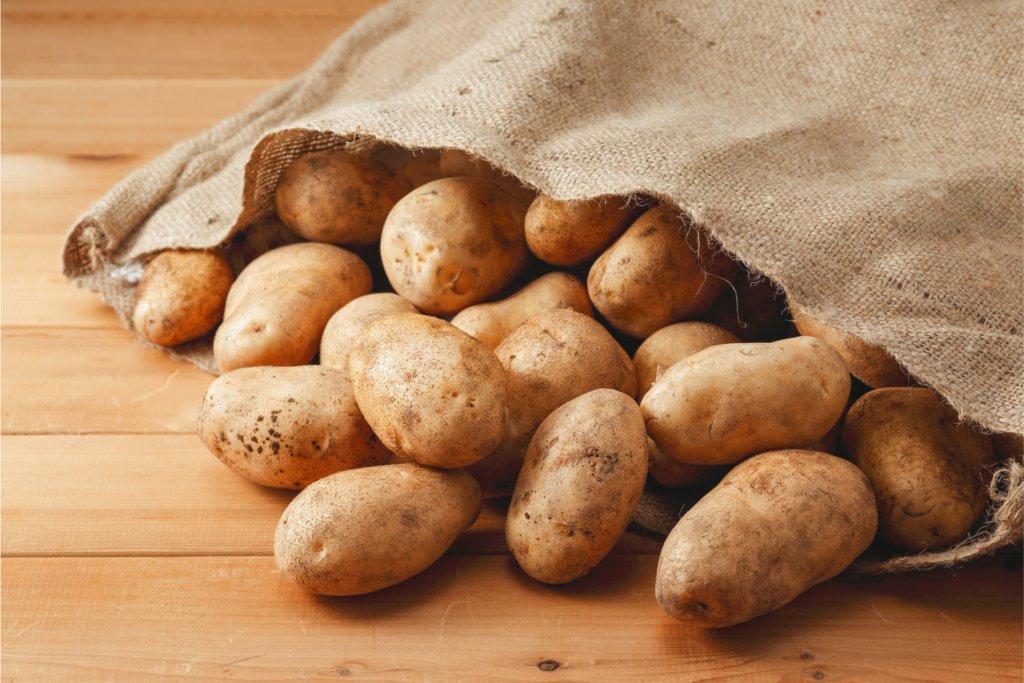
Kosher potatoes

Are Potatoes Kosher For Passover?

The clear and direct answer is Yes, potatoes are Kosher for Passover. They are permitted for all Jewish communities, including both Ashkenazi and Sephardic Jews. Potatoes are not one of the five grains that can become chametz, nor are they classified as kitniyot (legumes).
Because potatoes are a versatile and nutrient-dense root vegetable, they have become the primary staple for families who are avoiding grains and legumes for the duration of the holiday. However, while the vegetable itself is inherently kosher, the way it is processed, packaged, or prepared can change its status, requiring careful attention to certification.

Explanation of Whether it is Chametz or Kitniyot

To understand the status of the potato, we must look at the two categories of restricted foods on Passover.
Why Potatoes are Not Chametz
Chametz refers specifically to five types of grain: wheat, barley, rye, oats, and spelt. According to Jewish law, these five grains are the only substances that can become chametz when they come into contact with water and are allowed to ferment or “rise” for more than 18 minutes.
Potatoes are a tuber, a starchy part of the root system of the potato plant. They are botanically unrelated to the grass family that produces cereal grains. Therefore, a potato can never technically become chametz. This is why they are a permissible base for so many Passover recipes.
Why Potatoes are Not Kitniyot
Kitniyot is a category of food that includes “small things” like legumes, beans, peas, rice, millet, corn, and certain seeds. Many Ashkenazi Jews avoid kitniyot on Passover because these items can be ground into flour that resembles grain flour, or because they were historically stored in close proximity to forbidden grains, leading to a risk of cross-contamination.
Potatoes do not fall into the category of kitniyot. While they can be ground into potato starch or potato flour, they were not part of the original list of forbidden legumes established by European rabbinic authorities. Potatoes were a “New World” food that did not arrive in Europe until long after the customs of kitniyot were already established. Consequently, they remained outside that restriction and are treated as a standard vegetable.

Ashkenazi vs. Sephardic Differences

In many areas of Passover law, Ashkenazi and Sephardic traditions diverge significantly. For example, Sephardic Jews generally eat rice, beans, and corn, while Ashkenazim strictly avoid them. However, potatoes are a point of total unity.
A Universal Staple
For both Ashkenazi and Sephardic communities, potatoes are a permitted and essential part of the holiday. For Sephardic families, potatoes might be served alongside rice and lentils. For Ashkenazi families, who have a much more limited list of permitted starches, the potato takes on an even more prominent role. In Ashkenazi households, potatoes often replace flour in nearly every capacity—from thickening soups to providing the structure for “Passover noodles” and pancakes.

Culinary Traditions

While the permission is universal, the culinary applications vary by heritage. You will find potatoes in traditional Ashkenazi dishes like potato kugel (a savory baked pudding) or cholent. In Sephardic homes, potatoes might be featured in spicy stews or baked with olive oil and Mediterranean herbs. Regardless of the preparation, both traditions rely on the potato to provide the energy and fullness needed during a week without bread or pasta.

Does it Require Passover Certification?

Whether a potato requires certification depends entirely on its form.
Fresh, Raw Potatoes
Raw, unprocessed potatoes purchased in their natural state do not require a specific “Kosher for Passover” label. Like most fresh produce, as long as they are whole and have not been treated with any additives, they are inherently kosher for the holiday. It is always a good practice to wash them thoroughly to ensure they haven’t come into contact with any non-Passover substances in the grocery store.
Processed Potato Products
The moment a potato is processed, its status changes. The following items must bear a reliable Passover certification (usually a “P” next to the kosher symbol):
Potato Starch and Flour: These are often produced in facilities that also mill grain flours. Without certification, there is a high risk of cross-contamination with wheat or rye flour.
Frozen Potato Products: Items like frozen french fries, hash browns, or potato wedges often contain anti-foaming agents in the wash water. These agents are frequently derived from grain or kitniyot sources. Additionally, some companies pack pasta products on the same machinery used for frozen vegetables.
Potato Chips: These are high-risk because they are fried in oil. Many commercial oils, like soybean or canola, are kitniyot. Furthermore, many brands use additives like MSG or flavorings that are not Passover-approved.
Instant Mashed Potatoes: These often contain maltodextrin, milk derivatives, or preservatives that can be chametz or kitniyot.

Common Mistakes People Make

Even with a “safe” food like potatoes, mistakes happen. Here are the most common pitfalls to avoid during your Passover preparations:
1. Buying Frozen Fries without a “P”: Many shoppers assume that “potatoes and oil” must be fine. However, the anti-foaming agents and shared industrial equipment make uncertified frozen fries a major kashrut risk.
2. Using Year-Round Potato Starch: People often have potato starch in their pantry from during the year. Unless that specific box was purchased with a Passover certification and kept in a chametz-free environment, it should not be used. Flour dust in a standard pantry can easily contaminate an open container.
3. Assuming “Gluten-Free” is “Passover-Ready”: Not all gluten-free potato products are chametz-free. Some gluten-free items use vinegar or fermentation products derived from wheat that are processed to be gluten-free but remain chametz.
4. Relying on Processed Potato Chips: While they are a convenient snack, many brands use cottonseed oil, which some find inflammatory or prefer to avoid. Furthermore, processed potato chips are often devoid of nutrients and can lead to the “bloated” feeling many associate with the holiday.
5. Not Checking the Ingredients on Pre-Peeled Potatoes: Some supermarkets sell pre-peeled or pre-cut potatoes in bags of water. These may contain citric acid or other preservatives that require a Passover certification to ensure they aren’t derived from corn or grain.

FAQ Section

1. Are sweet potatoes also Kosher for Passover? Yes. Sweet potatoes and yams follow the same rules as white potatoes. They are not chametz or kitniyot and are a healthy, high-fiber alternative to traditional white potatoes.
2. Can I use potato flour as a substitute for matzah meal? Yes, many people do this, especially those who are gluten-free or avoid “gebrokts” (matzah that has touched water). Just ensure the potato flour has a reliable “P” certification.
3. Is potato starch the same as potato flour? Not exactly. Potato starch is the extracted starch of the potato, while potato flour is made from whole cooked, dried, and ground potatoes. For Passover baking, potato starch is more common for creating light textures in cakes, but both must be certified for the holiday.
4. Why are potatoes so ubiquitous on Passover? Historically, for Jews in Eastern Europe, potatoes were one of the few affordable, filling vegetables that could be stored through the winter until the spring holiday. This necessity turned the potato into a culinary icon of the Passover season.
5. Can I eat potato chips fried in cottonseed oil? While cottonseed oil is technically permissible for Ashkenazim (as it is not considered kitniyot by many authorities), many people choose to avoid it for health reasons. If the chips have a reliable Passover certification, they are halachically fine to eat.
Passover Parting of the Sea Dress
Parting of the Sea Passover Dress
Passover Matzah Dress
Matzah Dress
Seder Plate Passover Dress
Seder Plate Dress
Torah Scroll and Matzah Passover Dress
Torah Scroll and Matzah Dress

TEXT

Our Passover Posts

tortillas
Are Tortillas Kosher for Passover?
The answer to whether tortillas are Kosher for Passover depends entirely on their ingredients and the...
chickpeas
Are Chickpeas Kosher for Passover?
Whether chickpeas are Kosher for Passover depends entirely on your community’s ancestral customs.•...
Kosher potatoes
Are Potatoes Kosher For Passover?
The clear and direct answer is Yes, potatoes are Kosher for Passover. They are permitted for all Jewish...
Lentils
Are Lentils Kosher for Passover?
The short answer to whether lentils are Kosher for Passover is: It depends on your tradition and community...
beans
Are Beans Kosher For Passover?
The answer to whether beans are Kosher for Passover depends entirely on your ancestral tradition and...
Oats
Are Oats Kosher for Passover?
The direct answer is that oats are generally not Kosher for Passover. Oats are classified as one of the...
Nuts
Are Nuts Kosher for Passover?
The short answer is: Yes, most nuts are Kosher for Passover, but their status depends heavily on how...
Quinoa Kosher for Passover
Is Quinoa Kosher For Passover?
For many families preparing for the eight-day holiday of Passover, or Pesach, the dietary restrictions...
Peas
Are Peas Kosher For Passover?
When preparing for Passover, the kitchen becomes a focal point of careful scrutiny. Among the many questions...