The Kosher Hub Home of all Things Jewish

Quinoa Kosher for Passover

Is Quinoa Kosher For Passover?

For many families preparing for the eight-day holiday of Passover, or Pesach, the dietary restrictions can feel overwhelming. As we rid our homes of leavened grain products known as chametz, the search for nutritious, versatile, and filling alternatives becomes a top priority. One superfood that has sparked significant debate in recent years is quinoa. Is this South American seed a welcome addition to the Seder table, or is it off-limits?
The Direct Answer: It Depends (But Usually Yes)
The short answer is: Yes, quinoa is generally considered Kosher for Passover, but with one essential condition: it must bear a reliable Kosher for Passover certification symbol, such as an OU-P or STAR-KP.
While quinoa is not one of the five grains that can become chametz, it is frequently processed in facilities that handle prohibited grains, leading to a high risk of cross-contamination. Therefore, you should not purchase regular, year-round quinoa for holiday use unless it is specifically marked and supervised for Passover.
Is Quinoa Chametz or Kitniyot?
To understand why quinoa is permitted, we must first look at the two categories of forbidden or restricted foods on Passover: chametz and kitniyot.
Why Quinoa is Not Chametz
Chametz refers specifically to five grains—wheat, barley, rye, oats, and spelt—that have come into contact with water for more than 18 minutes, causing them to leaven or puff up. Jews are prohibited from eating, owning, or deriving benefit from chametz throughout the holiday.
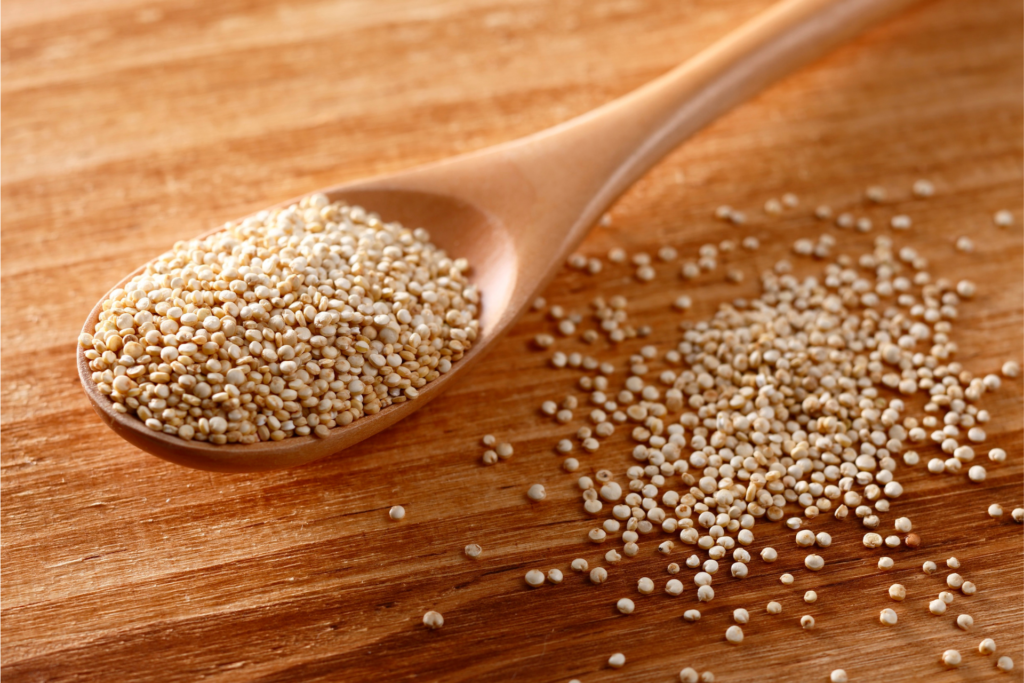
Quinoa is botanically a pseudo-cereal or a seed, not a grain. It is a relative of the beet and spinach families rather than the grass families that produce traditional grains. Because it is not one of the five forbidden grains, it cannot technically become chametz.
The Kitniyot Debate
Kitniyot is a category of food that includes legumes, beans, peas, rice, millet, corn, and certain seeds. While not biblically prohibited like chametz, these foods were historically avoided by Ashkenazi Jews because they bear a physical resemblance to grains or were often stored in the same sacks, leading to potential confusion or accidental consumption of chametz.
For years, major kashrut agencies were hesitant to approve quinoa, fearing it might fall under the umbrella of kitniyot. However, following extensive on-site research in the high-altitude growing regions of Peru and Bolivia, organizations like the Orthodox Union determined that quinoa does not share a botanical or historical lineage with kitniyot. Because it was not a food source used by the Jewish communities who originally established the kitniyot customs in Europe, it is not subject to those restrictions.
Ashkenazi vs. Sephardic Differences
While the permitted status of quinoa is now widely accepted by major certification agencies, there are still subtle differences in how various Jewish communities approach it.
Ashkenazi Customs
Traditionally, Ashkenazi Jews, who are of Eastern European descent, strictly avoid kitniyot. Because major agencies have ruled that quinoa is not kitniyot, many Ashkenazim now include it in their Passover diet as a valuable source of protein and fiber. However, some very traditional families or specific Chassidic groups may still choose to avoid it if they consider it too grain-like in appearance or if they have a custom of avoiding any processed foods during the holiday.
Sephardic Customs
Sephardic Jews, generally from North Africa, the Middle East, and Spain, do not observe the prohibition of kitniyot. For Sephardic families, rice and beans are staples of the Passover Seder. For these communities, quinoa is perfectly acceptable, though many still prefer to look for certification to ensure no actual chametz, like wheat, was mixed in during the milling or packaging process.
Modern Rabbinical Rulings
It is worth noting that in recent years, the Reform and Conservative movements have issued rulings permitting both Ashkenazi and Sephardi Jews to eat kitniyot, including rice and corn. These committees determined that the prohibition of kitniyot was a later custom that sometimes contradicted earlier Talmudic opinions, and allowing these foods can ease the financial and nutritional burden of the holiday.
Does it Require Passover Certification?
If quinoa isn’t chametz or kitniyot, why can’t you just buy a bag from the health food store? The issue lies in the processing and packaging environment.
Shared Equipment and Processing
The primary concern with quinoa is cross-contamination. Quinoa is often processed on the same machinery used for barley or wheat. Research in South America has revealed that quinoa is sometimes dried in fields where prohibited grains are also grown or transported in sacks previously used for wheat.
Prohibited Additives
Some processed quinoa products may include anti-caking agents or other additives that are derived from chametz or kitniyot. Certification agencies send supervisors to high-altitude regions to ensure that the quinoa is harvested, washed, and milled in a completely chametz-free environment. When you see a symbol like the OU-P, it guarantees that these strict protocols were followed.