The Kosher Hub Home of all Things Jewish

Peas

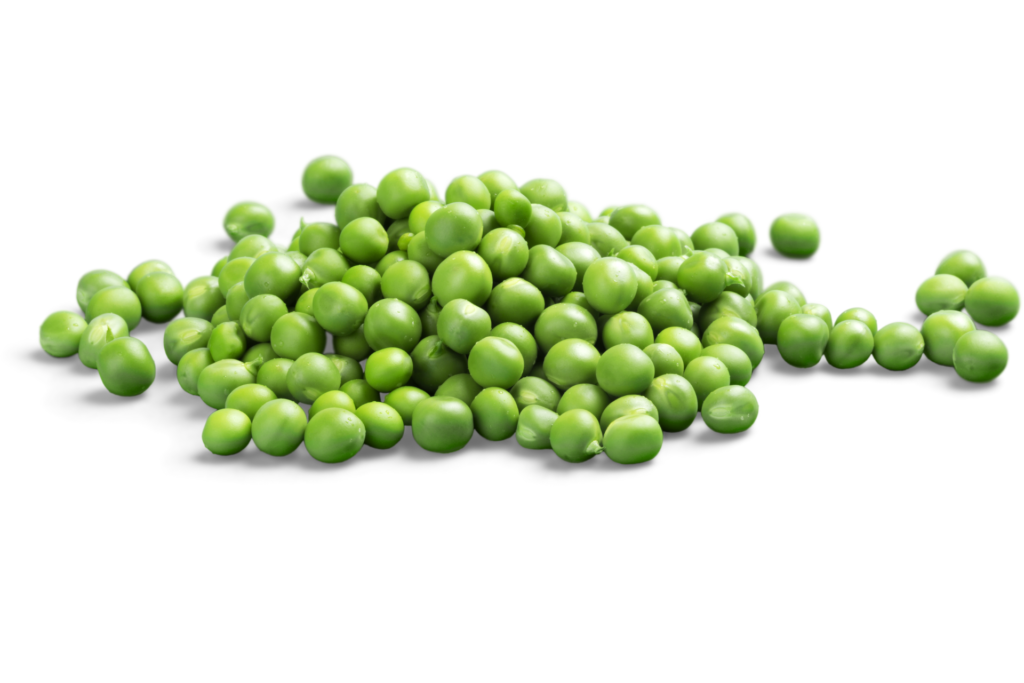
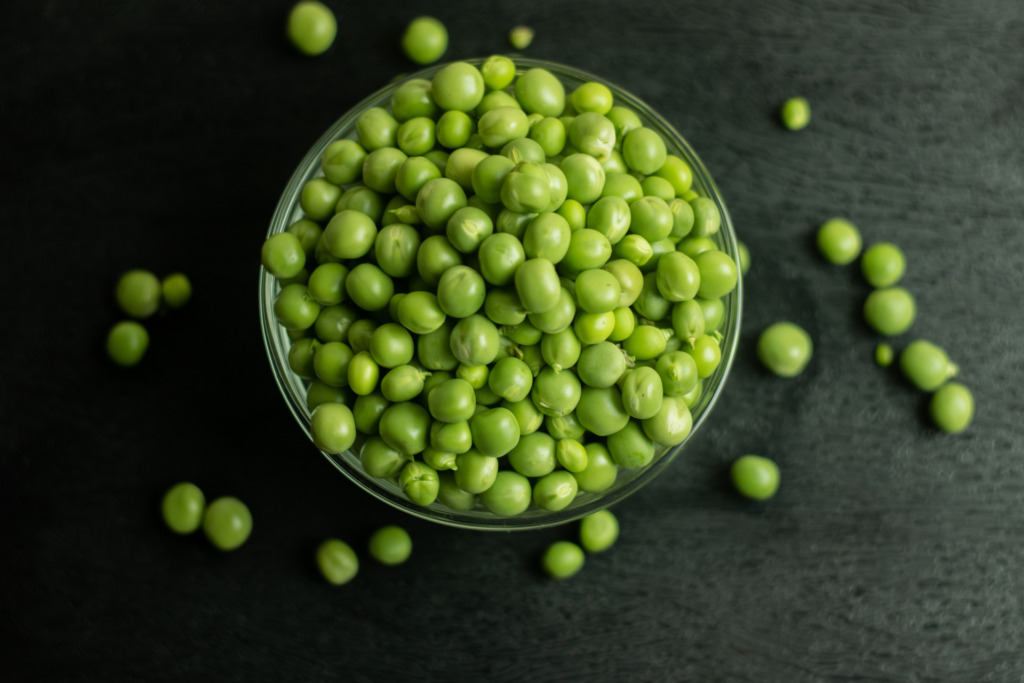
Are Peas Kosher For Passover?

Kosher for Passover Peas
When preparing for Passover, the kitchen becomes a focal point of careful scrutiny. Among the many questions that arise for home cooks and holiday guests, the status of legumes—specifically peas—is one of the most frequent. At The Kosher Hub, we aim to provide you with the definitive halachic and practical guidance you need to navigate the holiday with confidence.
The Direct Answer: It Depends on Your Tradition
Whether peas are considered “Kosher for Passover” depends entirely on your ancestral tradition (Minhag).
For Ashkenazi Jews: No. Peas are classified as kitniyot and are traditionally avoided throughout the eight days of Passover
For most Sephardic Jews: Yes. Peas are generally permitted, provided they are checked carefully to ensure no grains are mixed in

Chametz or Kitniyot: Understanding the Difference

To understand why a simple vegetable like a pea is restricted for some and permitted for others, we must distinguish between two categories: Chametz and Kitniyot.


What is Chametz?

By Torah law, Jews are strictly forbidden from eating, owning, or deriving benefit from chametz during Passover. Chametz refers specifically to products made from five grains—wheat, barley, spelt, rye, and oats—that have come into contact with water and were not fully baked within 18 minutes. Peas are not one of these five grains; therefore, they are not chametz.


What are Kitniyot?

The term kitniyot is often translated as “legumes” or “beans,” though in a halachic context, it is a broader category that includes rice, corn, and various seeds. The prohibition against eating kitniyot is a rabbinic custom (minhag) that developed among Ashkenazi communities in the Middle Ages.

There are three primary reasons why the medieval Ashkenazi sages banned kitniyot:

  1. Similarity in Appearance: Cooked dishes or porridges made from kitniyot (like pea soup) look very similar to those made from chametz grains.
  2. Agricultural Proximity: Kitniyot were often grown in fields adjacent to chametz grains. This led to accidental mixing during harvest or storage.
  3. Flour Confusion: Kitniyot can be ground into flour. Sages worried that if people were allowed to bake bread with pea flour or corn flour, they might mistakenly think wheat flour was also permitted.

Because peas fall into all three categories—they look like grain when cooked, are grown near grains, and can be ground into flour—they are firmly established in the kitniyot category.

 Ashkenazi vs. Sephardic Differences

The divide over peas is one of the most visible differences between Jewish sub-cultures during the Seder.


The Ashkenazi Custom

For Ashkenazi Jews, the ban on kitniyot is considered binding and has the force of Jewish law. This includes all varieties of peas, such as green peas, snow peas, snap peas, and split peas. Interestingly, even “New World” crops like corn were eventually added to this list because they share the characteristics of kitniyot, such as being threshed and milled.


The Sephardic Custom

Most Sephardic, Mizrahi, and Maghrebi communities never adopted the kitniyot ban. For these families, peas are a staple of the Passover menu. However, this permission comes with a requirement for diligent checking. Because grains could historically be mixed into sacks of legumes, Sephardic tradition requires checking the items (such as rice or dried peas) three times before use to ensure no wheat or barley kernels are present.


Modern Considerations and “New” Foods

Halachic authorities like Rabbi Moses Feinstein noted that the kitniyot ban only applies to foods that were known and accepted as kitniyot when the custom began. This is why potatoes, despite being used to make flour and cakes that look like chametz, are generally not considered kitniyot—they arrived in Europe after the custom was established. Peas, however, were well-known in the Old World and remain restricted for Ashkenazim.

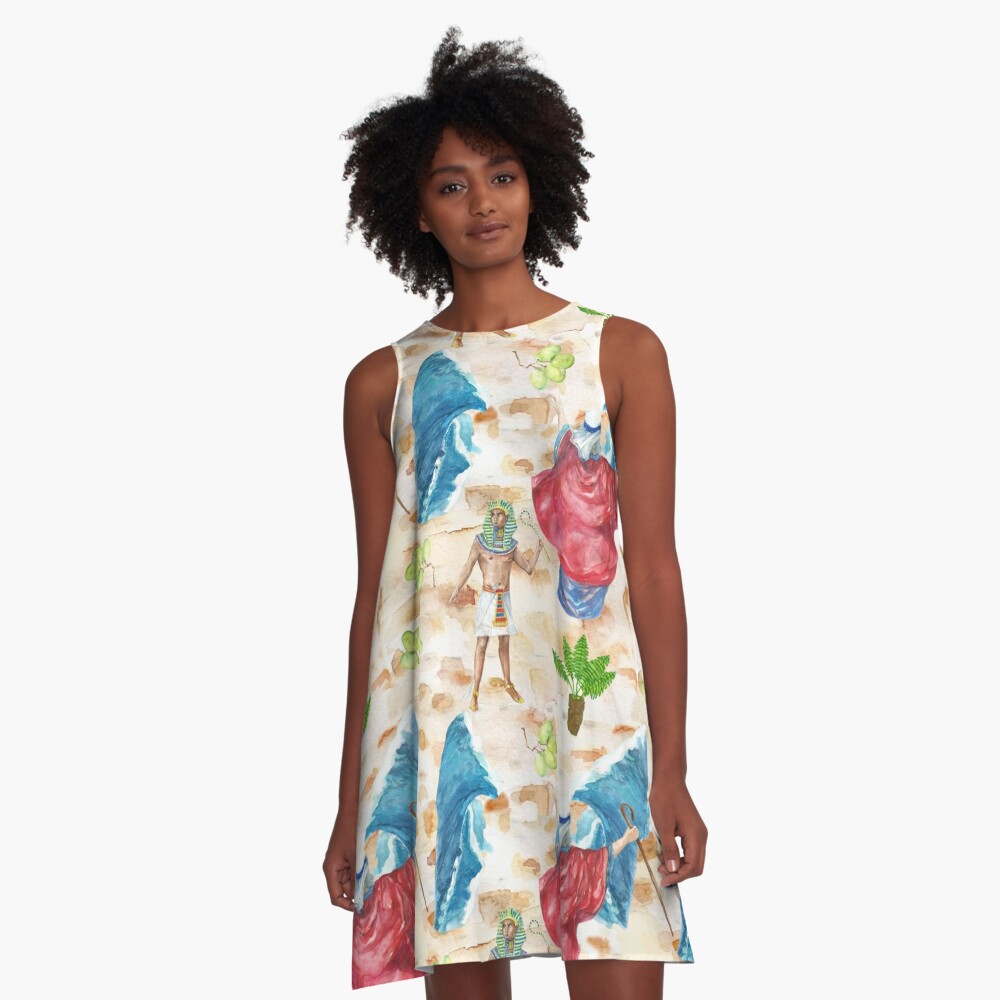
Passover Parting of the Sea Dress
Parting of the Sea Passover Dress
Passover Matzah Dress
Matzah Dress
Seder Plate Passover Dress
Seder Plate Dress
Torah Scroll and Matzah Passover Dress
Torah Scroll and Matzah Dress

 Does it Require Passover Certification?

The need for a Kosher for Passover (KFP) symbol depends on the form in which the peas are purchased.

  1. Fresh, Raw Peas: Generally, fresh unprocessed vegetables do not require specific certification. However, they must be checked for insect infestation, which is a year-round requirement that remains vital on Passover.
  2. Canned Peas: These require reliable KFP certification. Canned goods are processed in facilities that may also handle chametz, and the liquid or preservatives used could contain grain-derived additives.
  3. Frozen Peas: These also require KFP certification. Many frozen vegetables are blanched or processed on equipment used for pasta or other chametz products.
  4. Dried Peas: For Sephardim who eat them, these should ideally have certification or be purchased from a source that ensures they haven’t been processed on chametz equipment.

Common Mistakes People Make

  1. Assuming Kitniyot Must Be Sold: Unlike actual chametz, there is no obligation to destroy or sell kitniyot before the holiday. You may keep peas in your pantry; you simply may not eat them if you are Ashkenazi.
  2. Confusing “Green” with “Safe”: Some believe that because green peas are “vegetables,” they aren’t kitniyot. However, green beans and peas are specifically listed as kitniyot because they grow in pods, similar to other beans.
  3. Cross-Contamination in the Kitchen: In a mixed household (Ashkenazi and Sephardic), it is important to remember that while an Ashkenazi Jew cannot eat kitniyot, they are generally permitted to own them. However, they must be careful not to use the same pots or utensils for kitniyot and non-kitniyot dishes unless the family follows specific lenient rulings regarding “liquified kitniyot”.
  4. Misidentifying “New” Legumes: Some assume that because a food is “healthy” or a “superfood” (like certain pea-protein products), it is exempt. If it is derived from a legume, it remains kitniyot for Ashkenazim.
Matzah Apron
Matzah Apron
Matzah Socks
Matzah Socks
Matzah Throw PIllow
Matzah Throw PIllow

FAQ Section

1. Can Ashkenazi Jews eat pea protein or pea starch? Generally, no. Since the source (peas) is considered kitniyot, the derivatives are also treated as kitniyot by most Ashkenazi authorities.

2. Are snow peas or sugar snap peas treated differently than garden peas? No. Most major kashrut organizations and rabbinic authorities classify all pod-bearing legumes, including snow peas and snap peas, as kitniyot.

3. I am Sephardic and my spouse is Ashkenazi. Can we have peas at our Seder? This is a common question of Shalom Bayit (domestic peace). Generally, a wife follows the husband’s custom, but a husband may choose to allow the wife to continue her family tradition, often using separate dishes for kitniyot items. Consult your local rabbi for specific guidance on your household’s practice.

4. Why is pea soup forbidden but potato soup allowed? As mentioned, the kitniyot ban applies to specific foods known at the time the custom was established. Peas were a known legume, while potatoes were a later “New World” introduction and were never formally added to the ban by a central rabbinic body.

5. Are chickpeas considered the same as peas? Yes. Chickpeas (the primary ingredient in hummus) are a classic example of kitniyot and are avoided by Ashkenazim.

Disclaimer: While we strive to provide accurate halachic information based on our sources, individual community customs vary. We recommend you consult with your local Orthodox rabbi for final rulings regarding your specific Passover observance.